Commercial Demolition Experts Detroit MI Explained: From Planning Through Completion
Interior Selective Demolition In Detroit MI
Interior selective demolition in Detroit, MI, is improving the landscape of metropolitan renewal. This method permits the cautious removal of non-structural elements, maintaining the character of historical buildings. It promotes and offers monetary benefits sustainability with product reuse. Several successful projects show its possibility. The effects of this strategy extend past simple appearances. Understanding the more comprehensive effect on the area and atmosphere raises crucial questions for Detroit's future.

The Advantages of Interior Selective Demolition
Interior selective demolition offers various advantages for residential property proprietors and programmers in Detroit, MI. This procedure permits particular removal of non-structural aspects, such as walls, components, and flooring, without endangering the honesty of the total framework. By targeting only the areas that need improvement, building owners can conserve time and lower prices connected with complete demolition.
Additionally, selective demolition advertises sustainability by enabling the salvage and recycling of products, thereby decreasing waste. This ecologically conscious strategy straightens with the expanding trend of eco-friendly construction practices. Selective demolition can assist in quicker project timelines, as it normally involves much less disturbance to bordering areas compared to considerable demolition efforts.
Ultimately, the calculated execution of indoor selective demolition enhances the efficiency of remodelling tasks, resulting in enhanced functionality and visual charm for existing properties in Detroit's advancing metropolitan landscape. (legendary demolition detroit contractor)
Key Considerations for Selective Demolition Projects
When intending a careful demolition project, several essential considerations need to be dealt with to assure its success. To start with, comprehensive evaluations of the existing structure are vital to determine materials that require elimination and those that must be preserved. Comprehending regulative demands, including permits and security codes, is fundamental to guarantee compliance and avoid lawful complications.
Developing an in-depth strategy that lays out the extent of work, timelines, and budget is crucial for effective task monitoring. Involving seasoned experts can minimize threats connected with harmful materials, such as asbestos or lead.
The Process of Selective Demolition Discussed
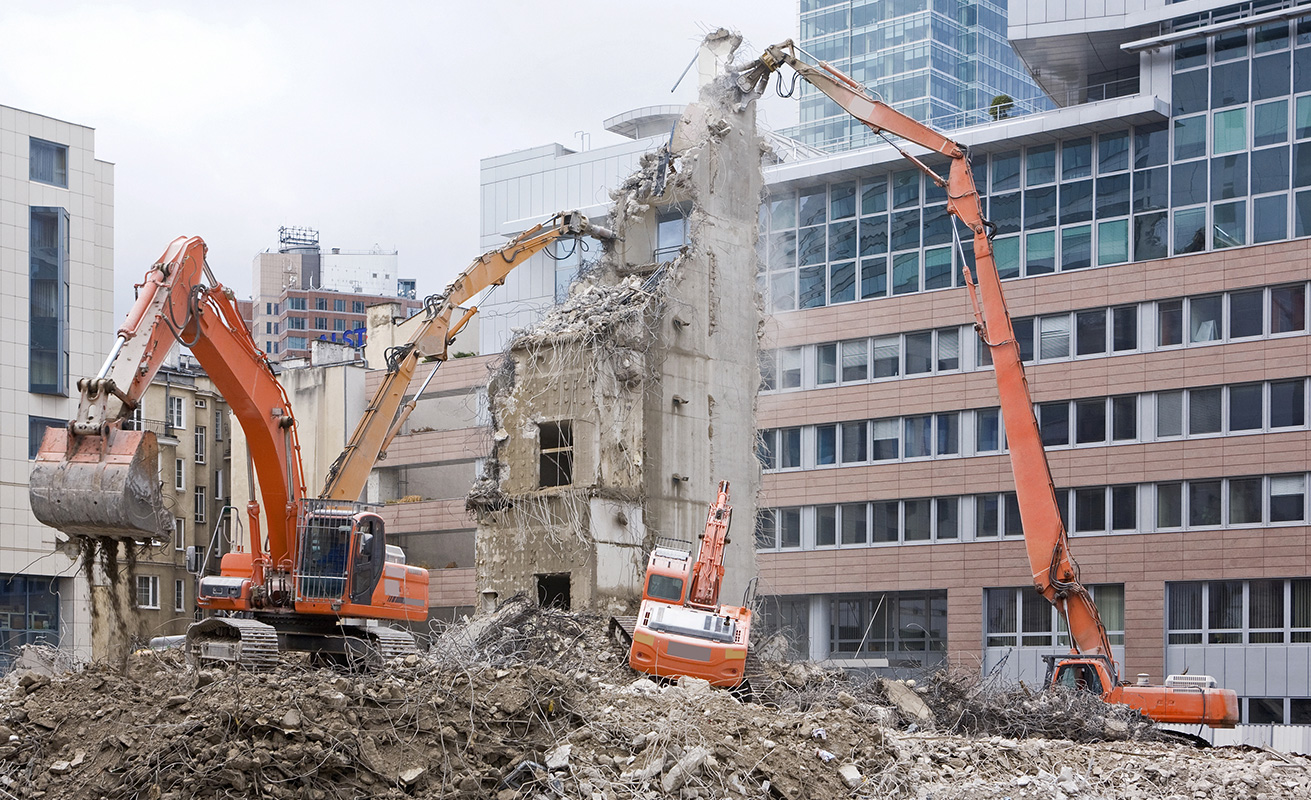
Selective demolition involves a methodical technique that focuses on the careful removal of details structural elements while maintaining the integrity of the surrounding environment. The process begins with a complete evaluation of the website, identifying which components need to be gotten rid of and which need to be kept. Following this assessment, a detailed demolition strategy is developed, outlining precaution and waste management techniques.
As soon as the plan is in area, the demolition team prepares the site by making certain and protecting essential permits that utilities are detached. The actual demolition process employs specialized strategies and tools to take apart targeted structures, such as wall surfaces, ceilings, and fixtures, lessening waste and noise. Throughout the procedure, careful surveillance is conducted to deal with any unpredicted difficulties. The website is cleaned up, with recyclable products arranged and hazardous waste disposed of appropriately, making certain that the surrounding setting remains undisturbed and risk-free for future usage.
Situation Researches: Effective Tasks in Detroit
Successful projects in Detroit highlight the performance of selective demolition in rejuvenating metropolitan rooms. One noteworthy instance entailed the change of a former industrial site right into a vibrant mixed-use development. Selective demolition permitted the mindful removal of harmful products while maintaining architectural components, enabling the integration of modern facilities with historical design.
Another task featured the repurposing of an old storage facility right into a neighborhood arts. The selective technique assisted in the removal of non-essential interiors, producing open spaces suitable for artistic undertakings while preserving the building's personality.
Additionally, a domestic conversion showcased how selective demolition might adjust outdated structures for contemporary living. By removing interior dividings and outdated systems, the task revived the building, drawing in new residents and fostering area interaction.
These examples highlight how selective demolition not just boosts security and efficiency but likewise adds to Detroit's continuous city revival efforts.
The Future of Selective Demolition in Urban Resurgence
An increasing variety of metropolitan coordinators and designers are identifying the potential of from this source selective demolition as a key technique for revitalizing cities. This technique permits the mindful elimination of specific interior aspects, allowing the conservation of traditionally significant structures while including modern uses. As cities like Detroit come to grips with aging infrastructure and a look at this web-site requirement for sustainable development, selective demolition offers a sensible remedy to repurpose existing structures.
The future of selective demolition hinges on its integration with lasting methods. By reusing products and minimizing waste, cities can decrease their environmental footprint while cultivating financial growth (legendary demolition detroit contractor). Furthermore, this method promotes area interaction, as neighborhood stakeholders commonly join the decision-making process pertaining to which frameworks to maintain or customize. As urban revitalization efforts gain energy, selective demolition is most likely to play an increasingly pivotal duty fit the landscapes of tomorrow's cities, blending background with development
Regularly Asked Questions
What Permits Are Needed for Interior Selective Demolition in Detroit?
A demolition authorization is typically called for, along with any essential environmental permits, specifically if dangerous materials are present. Additionally, compliance with neighborhood building ordinance and guidelines is vital for lawful and risk-free demolition techniques.
The length of time Does an Ordinary Selective Demolition Task Take?
A typical selective demolition job normally takes between one to three weeks, depending upon the job's dimension, intricacy, and the level of the work called for. Aspects such as site problems and allowing may additionally influence the timeline.
Are There Particular Safety Regulations for Selective Demolition?

What Kinds of Materials Can Be Salvaged During Demolition?
Numerous materials can be recovered throughout demolition, consisting of wood, metal, components, bricks, and concrete. Recyclable products enhance sustainability by lowering waste, while offering opportunities for repurposing and reusing in new construction or improvement jobs.
Just How Much Does Interior Selective Demolition Commonly Expense?
Generally, indoor selective demolition expenses range from $2 to $10 per square foot, depending upon variables such as task intricacy, material types, and local labor rates, influencing overall expenditures for both property and business residential or commercial properties.
Interior selective demolition in Detroit, MI, is reshaping the landscape of city renewal. Interior selective demolition provides countless advantages for property proprietors and designers in Detroit, MI. When preparing a careful demolition task, a number of key factors to consider need to be dealt with to ensure its success. Effective tasks in Detroit highlight the performance of selective demolition in renewing metropolitan spaces. An ordinary selective demolition job commonly takes between one to three weeks, depending on the project's dimension, intricacy, and the level of the work needed.